
Service · Energy concept
Energy efficiency and renewable energy
Aurora Engineering develops holistic energy concepts for new and existing buildings: demand analysis, comparison of supply options with photovoltaics, geothermal energy, heat pumps and waste heat use, energy compliance and subsidy checks, evaluated by life-cycle cost and carbon footprint.
Energy efficiency does not come from a single product but from the interplay of envelope, plant, controls and operation. We consider all four levels and show which measures really work.
Scope of services
What we design in the field of energy
Energy concept and option comparison
Demand profiles, supply options, life-cycle costs, carbon footprint and recommendation.
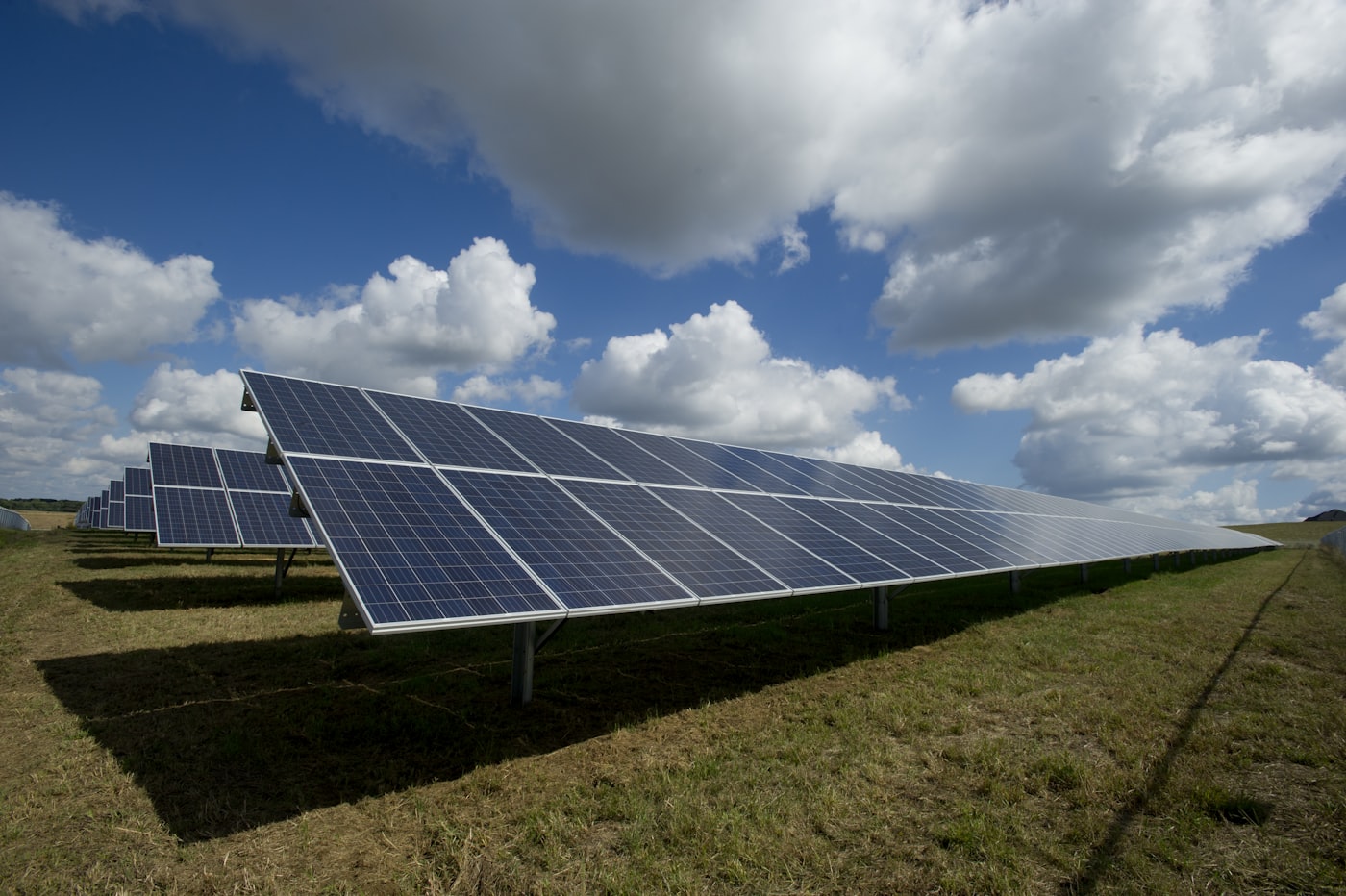
Photovoltaics and storage
Roof and facade systems, self-consumption optimisation, battery storage, grid integration.
Geothermal and solar thermal
Borehole heat exchangers, groundwater use, solar heat, combination with heat pumps.
Waste heat use and sector coupling
Server and process waste heat, simultaneous heating and cooling, heat pumps as the link.
Energy compliance and certification
Energy demand verification to DIN V 18599, contributions to DGNB, BREEAM and LEED.
Subsidy check
Federal and regional programmes, technical evidence for applications.
Who it is for
Who this service is for
Clients and investors
who want to decide on supply options with robust figures.
Portfolio holders and municipalities
with decarbonisation targets and refurbishment roadmaps.
Industry and data centres
with waste heat potential and high electricity demand.
Process and interfaces
Process and interfaces
- 1
Demand analysis
Consumption data, load profiles, building envelope, usage requirements.
- 2
Option comparison
Technical and economic evaluation, subsidies, carbon footprint, recommendation.
- 3
Integration into the design
Transfer of the concept into heating, cooling, electrical and building automation design.
- 4
Monitoring
Performance verification in operation, fine-tuning, reporting.
Standards and guidelines
Standards, key figures and quality
Standards and guidelines
- German Building Energy Act 2024
- DIN V 18599 (energy performance)
- EN 15459 (life-cycle costs)
- VDI 2067 (economic efficiency of building services)
- EN ISO 52000 (overall energy performance)
- BEG guidelines and DGNB criteria
Quality factors and key figures
- Evaluation over a 20-year life cycle instead of capital cost only
- Primary energy and CO₂ stated per option
- PV self-consumption ratio as a design target
- Waste heat before new generation
- Monitoring concept already in the design
References
References with energy concepts
Frequently asked questions
Frequently asked questions about energy concepts
When is an energy concept worthwhile?
Whenever a decision on heat generation, cooling or power supply is pending, in new builds, refurbishments or extensions. The earlier, the more options remain open.
How realistic are the savings forecasts?
We calculate with real load profiles and consumption data instead of rules of thumb and state assumptions openly. After implementation we verify the forecast through monitoring.
Do you support certifications?
Yes, we deliver the MEP contributions for DGNB, BREEAM and LEED and coordinate them with the auditor.
An energy concept for your building?
We compare supply options by life-cycle cost and carbon footprint.