
Service · System groups 3 and 8
Refrigeration and cooling design
Aurora Engineering designs cold generation and distribution for buildings and processes: chillers with natural refrigerants, free cooling, dry coolers, chilled water networks and process cooling for data centres, laboratories and production, designed with redundancy and in line with EN 378 and the F-gas regulation.
In data centres, laboratories and production facilities cooling is an availability issue; in office buildings it is an energy issue. We develop cooling concepts that master both: high availability through redundancy and low seasonal energy use through free cooling and heat recovery.
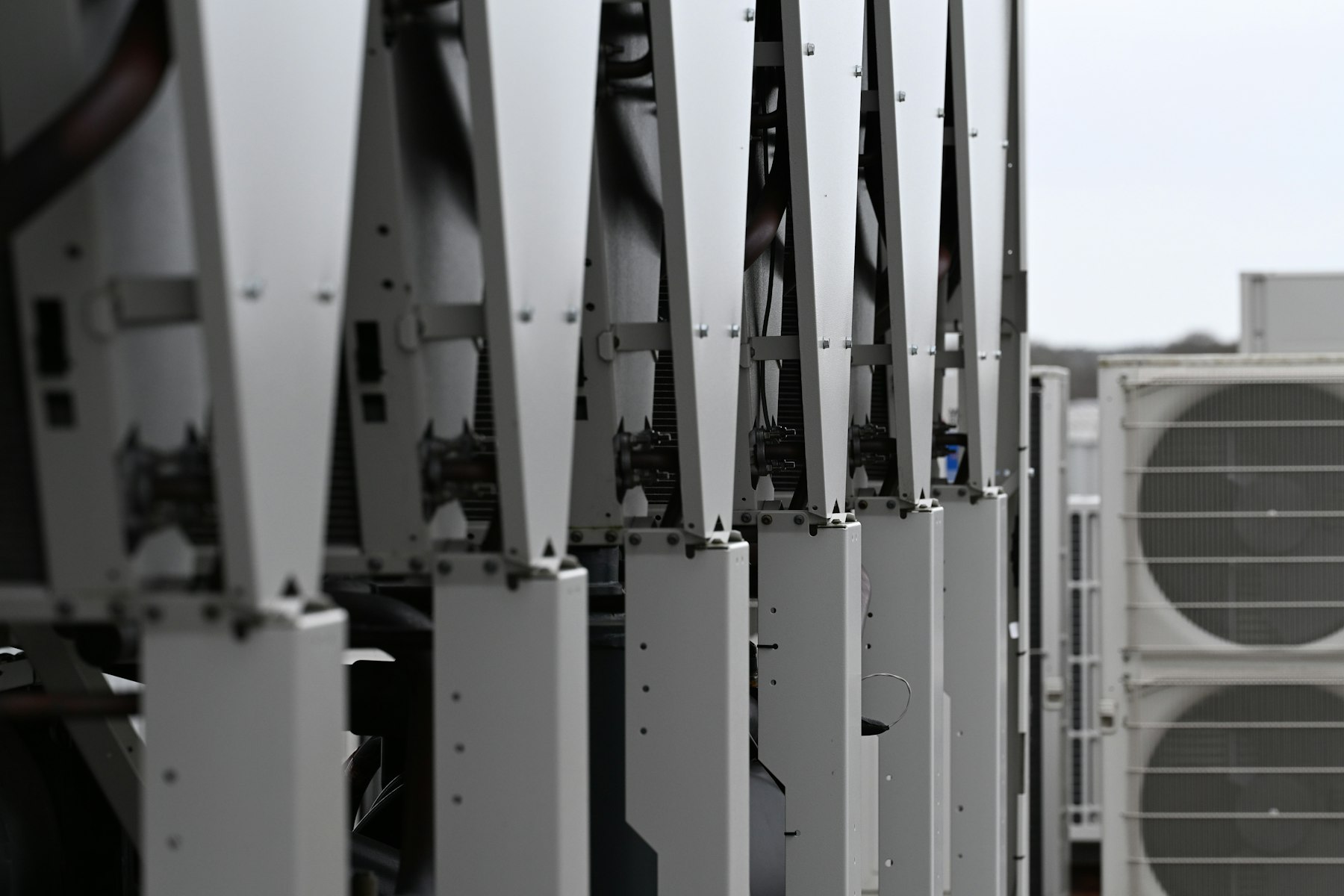
Scope of services
What we design in refrigeration
Cold generation
Chillers, heat pumps in cooling mode, absorption cooling, natural refrigerants such as propane, ammonia and CO₂.
Free cooling and heat rejection
Hybrid dry coolers, adiabatic cooling, free cooling operation for minimal compressor energy.
Chilled water and coolant networks
Hydraulics, storage, buffering, pressure maintenance and network calculation with pressure loss optimisation.
Process cooling
Cooling for data centres (cold aisle containment, in-row, heat rejection), laboratories, paint shops and manufacturing.
Comfort cooling for offices and retail
Chilled ceilings, thermally activated slabs, fan coil units, VRF systems and coordination with ventilation.
Redundancy and operating concepts
N+1 or 2N, changeovers, emergency cooling, monitoring and maintainability.
Who it is for
Who this service is for
Data centre and industrial operators
who need availability, energy efficiency (PUE) and clearly documented redundancy.
Clients of office and administrative buildings
looking for economical, quiet and compliant air conditioning.
Laboratory and pharmaceutical companies
with precise process cooling for equipment, cold rooms and cleanrooms.
Process and interfaces
Process and interfaces
- 1
Cooling balance and concept
Load profiles, simultaneity, refrigerant selection, option comparison with life-cycle costs.
- 2
Developed design and permits
Equipment sizing, locations, acoustics, refrigerant safety to EN 378, permit documentation.
- 3
Technical design
Hydraulic schematics, pipe network calculation, BIM model, tender documents.
- 4
Commissioning and optimisation
Site supervision, functional testing, balancing, operational monitoring.
Standards and guidelines
Standards, key figures and quality
Standards and guidelines
- EN 378 (refrigerating systems, safety and environment)
- EU Regulation 2024/573 (F-gases)
- VDI 2078 (cooling load) and VDI 4650
- EN 50600 (data centres)
- German Building Energy Act and DIN V 18599
- Pressure Equipment Directive
Quality factors and key figures
- Seasonal energy efficiency ratio (SEER) as a design target
- Free cooling share above 60 % of annual hours for data centres
- N+1 or 2N redundancy depending on availability class
- Refrigerants with GWP below 150 preferred
- Noise control at plant locations
References
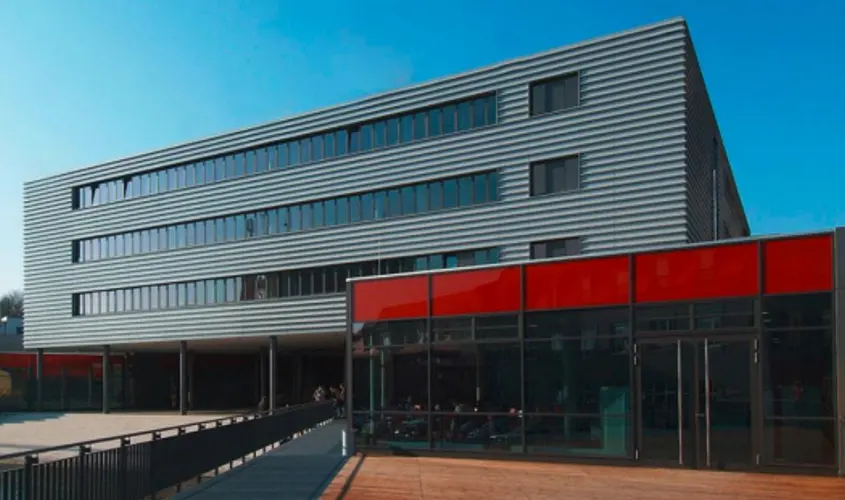
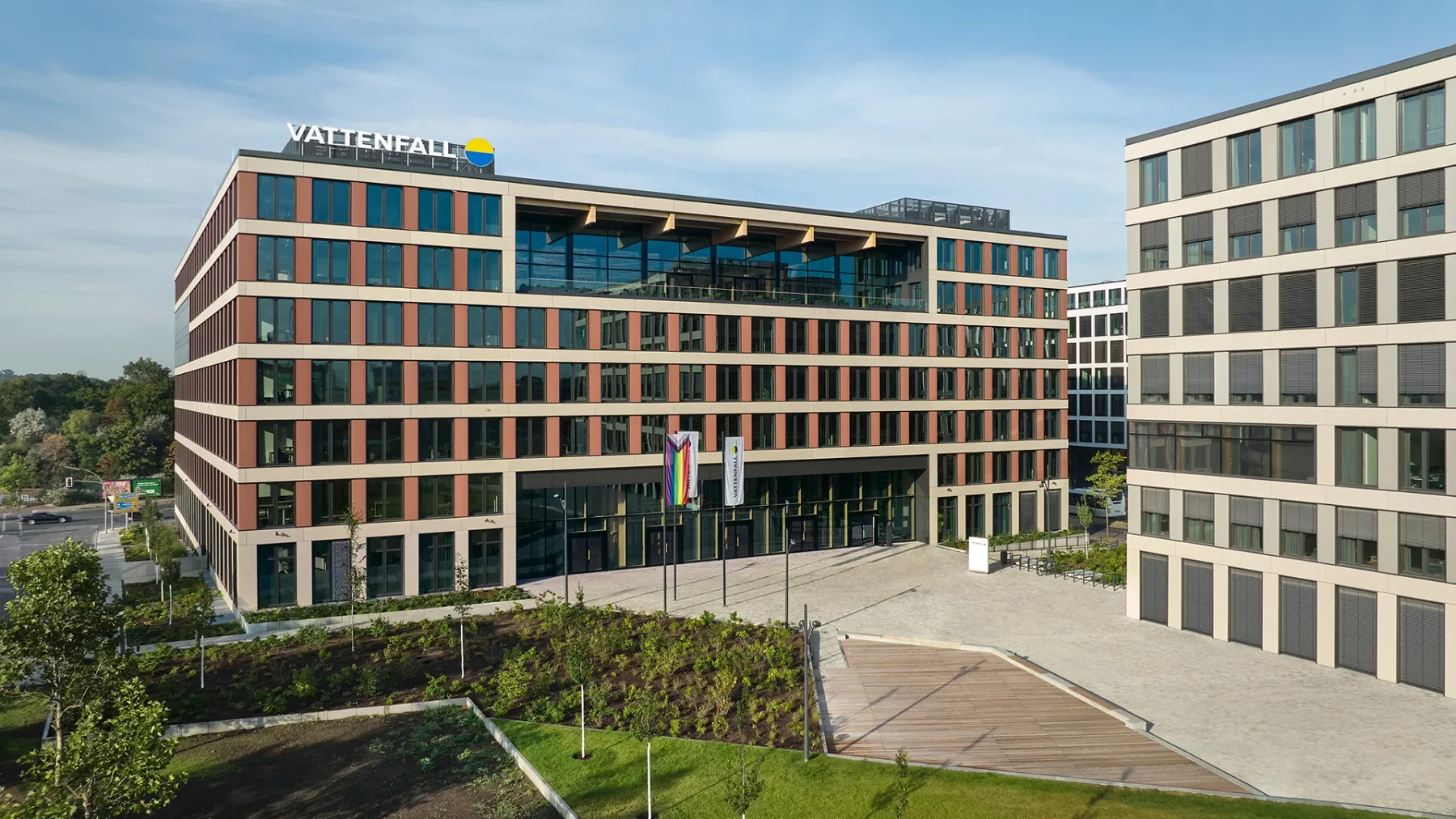
References with refrigeration
Frequently asked questions
Frequently asked questions about cooling design
Which refrigerants do you recommend?
Wherever possible natural refrigerants such as propane (R290), ammonia or CO₂. They are available long term, unaffected by the F-gas regulation and efficient. Safety requirements to EN 378 are designed in from the start.
What free cooling share is achievable for data centres?
With hybrid dry coolers and elevated chilled water temperatures we achieve free cooling shares well above 60 % of annual hours in Germany, with a noticeable effect on PUE.
Do you design redundancy for smaller systems too?
Yes. Redundancy is a question of availability requirements, not of size. For laboratories and server rooms N+1 concepts make sense even at a few hundred kilowatts.
Planning a cooling or process cooling system?
We prepare your cooling balance and compare concepts by availability and life-cycle cost.